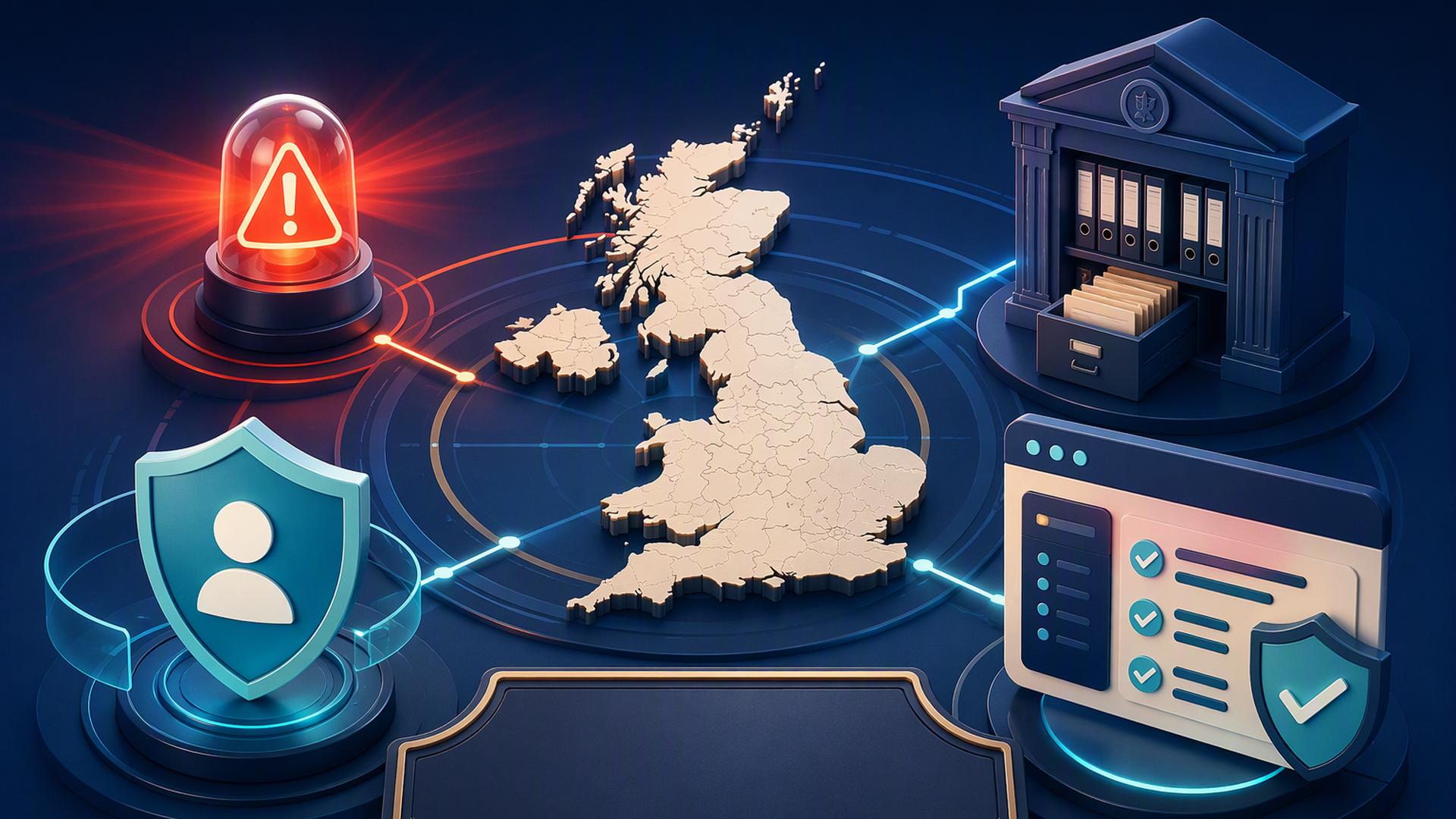
BC.GAME UK Gambling Commission Warning Illegal Gambling License: What the Regulator Has Actually Said
Plenty of players type BC.GAME UK Gambling Commission warning illegal gambling license into a search bar hoping for a straight answer. What they usually find is a tangle of forum posts, affiliate pages and half-remembered headlines. The real picture is simpler and more useful than the noise suggests. It comes down to one question: does a gambling site hold the license that UK law requires when it serves people in Britain?
This article walks through what the UK Gambling Commission (UKGC) says about unlicensed operators, what a license actually protects, and how to check any site yourself in a couple of minutes. It also looks at where an offshore crypto platform like BC.GAME sits in that picture, so you can decide with the facts in front of you.
Where BC.GAME Fits In
BC.GAME is a crypto-focused casino and sportsbook that has operated since 2017, which makes it one of the longer-running names in the space. Its main draw is crypto flexibility, with support for more than 100 cryptocurrencies, including Bitcoin and Ethereum. Deposits are credited after a single blockchain confirmation, no deposit fees are charged, and independent testing has clocked withdrawals at under 10 minutes. The catalogue is huge, with over 10,000 titles, live dealer tables and betting markets across 80+ sports. Its in-house "Provably Fair" games let players verify outcomes on the blockchain, and the welcome package spreads rewards across the first four deposits instead of a single claim.
The part that matters for this topic is where it is licensed. BC.GAME holds an offshore license and is not licensed by the UKGC. That means it is not a fix for a UK regulator warning, and UK players should not treat it as one. For players in jurisdictions where it is legally available, it is a well-established crypto option with a strong feature set. For anyone in Great Britain, the sensible reading is that UK-licensed operators are the compliant route. Check the terms on the site for the current list of restricted countries.
What the Regulator Has Actually Said
The UKGC's position is consistent and plain. Under the Gambling Act 2005, anyone offering gambling to people in Great Britain needs a UKGC license, wherever the company is based. The Commission has said many times that operators targeting British customers without one are acting illegally, and it has powers to pursue them, including through payment providers, advertising channels and the courts.
Warnings Are About Licensing, Not Game Quality
A regulator warning is rarely a comment on whether the games are rigged. It is a statement about legal status. A site can run fast payouts and fair-looking games and still be unlicensed in the UK, which is the only point the warning makes.
Be Careful With Viral Claims
Lists of "warned" or "blacklisted" brands circulate widely online, and not every one is sourced. I am not aware of a specific UKGC statement naming BC.GAME, so treat any page that quotes one without linking to the Commission's own site with caution. The UKGC's website and public register are the only sources that count here.
The practical takeaway is that the regulator focuses on who is licensed to serve Britain, not on ranking individual brands. If a site is not on the register, the answer for UK players is already clear, with or without a named warning.
What a UKGC License Actually Means
A UKGC license is a bundle of obligations the operator must meet, backed by real enforcement. Licensed sites must verify age and identity, run affordability and source-of-funds checks, keep customer money handled properly, and publish fair terms. They must also offer tools such as deposit limits, time-outs and self-exclusion. The Commission can fine operators, suspend licenses or revoke them, and it has handed out large penalties for social responsibility and anti-money-laundering failures.
For the player, the license gives you a place to turn when something goes wrong. Every licensed operator must offer a complaints process and access to an approved alternative dispute resolution service, and the Commission itself keeps a public register. All licensed operators must also join GamStop, the national self-exclusion scheme. This is the biggest practical difference between a licensed site and an offshore one. Offshore platforms can offer their own responsible gambling tools, but those tools sit outside the UK system, and the UK protections do not apply.
The Risks of Playing at Unlicensed Sites
The risks are less dramatic than headlines suggest and more mundane. The problem is rarely a stolen identity or a rigged wheel. It is that when a dispute happens, the usual safety net is missing. A withheld withdrawal, a bonus-terms argument or a closed account becomes a one-sided conversation with the operator.
Playing at a site that is not licensed for your country also changes your position. You are not committing a crime by placing a bet, but you are stepping outside the system that exists to protect you. The Commission directs its enforcement at operators, not players, yet the lack of recourse falls entirely on the player.
Here is what that looks like in practice:
- No access to UK-approved dispute resolution if a payout is withheld
- No GamStop coverage if you have self-excluded
- Limited ability to recover funds paid in crypto, since transactions are usually irreversible
- Operator-set limits and checks that do not follow UK standards
- Legal uncertainty about advertising and marketing aimed at UK players
Crypto adds its own wrinkle. Fast, low-fee transfers are a real convenience, but the same irreversibility that makes them quick means a mistaken or contested payment cannot be pulled back through a bank or card chargeback. Players who value privacy and minimal verification should weigh that against the lack of formal protections, especially if they could be gambling beyond their means.
How to Check Any Operator's License
You do not need a legal background to verify a license. The process is the same for any site, and it takes only a few minutes. It also beats relying on a reviewer's word, including this one.
Start With the Public Register
Open the UKGC website and search its public register for the operator's name or license number. A genuine UK-licensed site displays the license number in its footer and links to the register entry. If the footer names a different regulator, or no regulator at all, the site is not UKGC-licensed.
Read the Terms and Restricted Countries
Look at the terms and conditions for the licensing company, its registered address and the list of restricted territories. Operators that cannot legally serve Britain usually say so there. Take a moment to check that the license named in the footer matches the regulator's own records, because logos and badges are easy to copy.
Making a Confident Call
The honest answer to the BC.GAME UK Gambling Commission warning question is that the issue is licensing, not a verdict on the brand. UK players are best served by operators on the UKGC register, where GamStop, dispute resolution and enforcement apply. If you are in a market where an offshore crypto platform is legally available, use the same checks: confirm the license, read the terms, set your own limits and only stake what you can afford to lose.